Why the Rose Bowl Was Not Selected for Major FIFA World Cup 2026 Matches
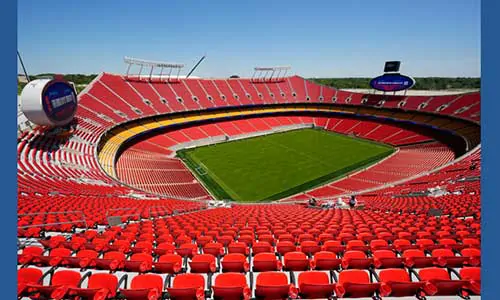
The year 1994 remains a legendary chapter in American soccer history. It was the year the United States hosted its first-ever FIFA World Cup, culminating in an iconic final at the historic Rose Bowl Stadium in Pasadena, California, where Brazil triumphed over Italy in a dramatic penalty shootout. Yet, as North America prepares to host the expanded global tournament once again, many sports fans have noticed a glaring omission from the list of host venues. This raises a critical question for soccer enthusiasts and urban planning experts alike: Why the Rose Bowl Was Not Selected for Major FIFA World Cup 2026 Matches? While the venue is globally synonymous with American soccer heritage, FIFA ultimately chose the ultra-modern SoFi Stadium in Inglewood as the sole representative for the Los Angeles metropolitan area. To understand this decision, we must examine a complex mix of modern stadium requirements, corporate financial models, geographical logistics, and commercial hospitality demands.
Table of Contents
- 1. Historical Legacy vs. Modern FIFA Demands
- 2. The Infrastructure Deficit: Age and Turnkey Facilities
- 3. Why the Rose Bowl Was Not Selected for Major FIFA World Cup 2026 Matches: The Luxury Suite and Revenue Conundrum
- 4. Logistical Bottlenecks: The Arroyo Seco Transit Challenge
- 5. Financial Demands and the Economic Friction with Pasadena
- 6. Labor and Human Rights Standards: The UNITE HERE Impact
- 7. Climate Control, Summer Heat, and Fan Comfort
- 8. Key Differences: Why the Rose Bowl Was Not Selected for Major FIFA World Cup 2026 Matches
- 9. Looking to the Future: The Rose Bowl’s Next Chapter
- 10. Conclusion and Final Thoughts
- 11. FAQs: Why the Rose Bowl Was Not Selected for Major FIFA World Cup 2026 Matches
1. Historical Legacy vs. Modern FIFA Demands
First opened in 1922, the Rose Bowl Stadium has served as the backdrop for some of the most memorable moments in global sports history. Beyond hosting the iconic 1994 Men’s World Cup Final, it also hosted the historic 1999 Women’s World Cup Final, where Brandi Chastain’s famous penalty kick secured victory for the United States. Consequently, the stadium is deeply embedded in the cultural fabric of international soccer.
However, the landscape of global sports hosting has shifted dramatically over the last three decades. The 2026 tournament marks the largest event in FIFA history, expanding to accommodate 48 national teams and 104 matches across three host nations. As a result, the criteria for selecting host venues have evolved from simple seating capacity to highly complex, multi-faceted operational standards.
While the bid committee originally proposed a joint local plan utilizing both the Rose Bowl and the newly constructed SoFi Stadium, FIFA ultimately decided to consolidate its presence in Los Angeles at a single, modern venue. This choice signals a clear pivot by soccer’s governing body, prioritizing state-of-the-art infrastructure over historic nostalgia.
2. The Infrastructure Deficit: Age and Turnkey Facilities
One of the primary hurdles facing the historic Pasadena stadium is its overall structural design. Because the Rose Bowl is a century-old facility, it was constructed under architectural guidelines that do not align with modern multi-purpose entertainment standards. The basic “bowl” shape offers fantastic sightlines, but it limits the space available for necessary technological and operational upgrades.
FIFA’s modern venue evaluation guidelines require candidate stadiums to be highly integrated, “turnkey” facilities. This means a stadium must have pre-existing, state-of-the-art broadcast networks, high-density fiber-optic cabling, and dedicated, modern press boxes. Preparing the Rose Bowl to meet these heavy media demands would have required incredibly invasive and costly modifications.
In contrast, newer venues like SoFi Stadium feature built-in, cutting-edge technology designed specifically for massive global broadcasts. Furthermore, because the Rose Bowl is designated as a National Historic Landmark, any physical or structural alterations are subject to strict regulatory oversight, making rapid modernization projects highly difficult to approve and execute.
3. Why the Rose Bowl Was Not Selected for Major FIFA World Cup 2026 Matches: The Luxury Suite and Revenue Conundrum
The financial mechanics of modern mega-events are largely driven by corporate sponsorship and premium hospitality. To maximize earnings, FIFA relies heavily on the sale of ultra-premium VIP ticket packages and exclusive corporate suites. Therefore, a venue’s capacity to host wealthy corporate clients is a vital factor in the site selection process.
This reality directly explains Why the Rose Bowl Was Not Selected for Major FIFA World Cup 2026 Matches. While the Pasadena venue boasts an impressive maximum seating capacity of over 90,000, it features a relatively limited number of modern luxury boxes. The Terry Donahue Pavilion, completed in 2013, added some executive suites, but the total inventory remains modest compared to modern NFL-style arenas.
On the other hand, SoFi Stadium was built at a cost of over $5 billion and features more than 260 luxury suites alongside expansive, high-end club spaces. This massive premium inventory allows corporate sponsors to entertain clients in a climate-controlled, highly customized environment. Consequently, choosing a venue with lower VIP capacity would have severely restricted FIFA’s revenue potential in the lucrative Southern California market.
| Venue Feature | Rose Bowl Stadium (Pasadena) | SoFi Stadium (Inglewood) |
|---|---|---|
| Year Opened | 1922 | 2020 |
| Approx. Capacity | 90,888 | 70,240 (Expandable to 100,000+) |
| Premium Luxury Suites | Limited (Terry Donahue Pavilion) | 260+ High-end Suites |
| Roof & Shade | Fully Open-Air (No shade) | Translucent ETFE Canopy (Shaded) |
| Historic Landmark Status | Yes (Highly restricted modifications) | No |
| Primary Transit Access | Residential roads & remote shuttle lots | Major freeway networks near LAX |
4. Logistical Bottlenecks: The Arroyo Seco Transit Challenge
Logistics and crowd transit represent another major hurdle for the Rose Bowl. The stadium is nestled deep within the Arroyo Seco, a scenic residential canyon in Pasadena. While this natural setting is incredibly beautiful, it presents massive transit and evacuation challenges for large-scale international events.
Because there are only a few narrow, two-lane residential roads leading down into the canyon, bottleneck traffic is a regular occurrence during major concerts and the annual Rose Bowl Game. To manage these crowds, organizers must rely on complex, off-site park-and-ride shuttle systems operating from nearby train stations or remote parking lots.
For a fast-paced global tournament like the World Cup, where hundreds of thousands of international visitors need seamless access to the venue, this transit setup was deemed too high-risk. In comparison, SoFi Stadium is situated in the heart of Inglewood, adjacent to major regional freeways, in close proximity to Los Angeles International Airport (LAX), and supported by modern urban planning layouts built to absorb high-density traffic.
5. Financial Demands and the Economic Friction with Pasadena
Understanding the business relationship between soccer’s governing body and local host cities is crucial. FIFA’s business model requires local municipalities, stadium operators, and local taxpayers to fund massive, tournament-specific upgrades. These requirements include specialized pitch reconstruction, safety perimeter installations, and temporary corporate hospitality zones.
Crucially, while local entities are expected to absorb these major capital costs, FIFA retains almost all of the direct matchday revenues, including global sponsorships, ticketing, and broadcasting rights. For a publicly owned venue managed by the Rose Bowl Operating Company on behalf of the City of Pasadena, this presented a major financial risk.
Indeed, Rose Bowl General Manager Jens Weiden openly noted that the tournament’s hosting model is highly challenging, as it asks local communities and taxpayers to foot the bill for custom venue renovations while letting FIFA keep the vast majority of event profits. Consequently, local organizers focused their primary resources on the privately funded SoFi Stadium complex, which was better positioned to absorb these immense upfront costs.
6. Labor and Human Rights Standards: The UNITE HERE Impact
In recent years, social and labor compliance has become a central focus of major international sporting bids. During the venue evaluation process, the labor standards at the Rose Bowl faced notable public criticism from UNITE HERE Local 11, a prominent hospitality and service-workers union representing thousands of stadium workers in Southern California.
The Rose Bowl historically relies heavily on a fundraising model that uses unpaid volunteer groups to staff its concessions and food service operations. While this system allows local youth sports, schools, and non-profits to raise money, labor representatives argued that it bypasses professional, unionized stadium jobs that offer family-sustaining wages and benefits.
Because of this practice, the union issued an “F” grade regarding the Rose Bowl’s labor standards and filed formal complaints under human rights guidelines in Switzerland. This labor friction created additional regulatory and public relations complications for FIFA, which was already under pressure to ensure its 2026 partner venues strictly adhered to fair labor practices and human rights due diligence.
7. Climate Control, Summer Heat, and Fan Comfort
The timing of the tournament is also a major factor. The matches are held during the peak of summer in June and July. During these months, the inland valleys of Southern California regularly experience dry, intense heat, with temperatures routinely climbing above 90°F (32°C) or even 100°F (38°C).
Because the Rose Bowl is a fully open-air stadium with absolutely no roof, canopy, or overhead shade structure, spectators are exposed directly to the summer sun for hours. In past high-profile summer friendlies, fans and international observers voiced significant concerns regarding dangerous heat conditions and inadequate water access inside the historic venue.
By contrast, SoFi Stadium is equipped with a high-tech, translucent ETFE canopy. This advanced roof shields fans from the direct heat of the sun while allowing natural light to filter through, maintaining a comfortable interior temperature and providing a much safer, more enjoyable experience for fans traveling from around the world.
8. Key Differences: Why the Rose Bowl Was Not Selected for Major FIFA World Cup 2026 Matches
To summarize, several critical elements influenced the selection process. The decision to prioritize modern venues over the historic Pasadena site can be attributed to the following key factors:
- Lack of Premium Hospitality: Limited luxury suite availability significantly reduced corporate revenue potential compared to newer venues.
- Geographical Isolation: The Arroyo Seco canyon location presented major traffic bottlenecks and complex transit logistics.
- Financial and Tax Risks: Public ownership meant Pasadena taxpayers faced major financial risks to fund required stadium improvements.
- Historic Landmark Status: Strict preservation guidelines made it difficult to quickly modernize and modify the venue’s older structure.
- No Climate Control: A lack of overhead shading and roof protection exposed fans to intense Southern California summer heat.
- Labor Compliance Friction: Public disputes over the use of unpaid volunteer staff created regulatory challenges under FIFA’s modern human rights criteria.
9. Looking to the Future: The Rose Bowl’s Next Chapter
While the stadium’s omission from the 2026 tournament and the primary bid for the 2031 Women’s World Cup was a disappointment for local soccer purists, the Rose Bowl remains an iconic monument of American sports history. It continues to host highly attended international club friendlies and major concerts that do not require FIFA’s complex turnkey operational model.
To ensure it remains competitive for other global events, Pasadena is moving forward with important multi-phase stadium renovations. These updates will help address some of the facility’s aging elements and improve spectator convenience over the coming decade.
Additionally, the Rose Bowl is scheduled to play a major role in the upcoming 2028 Summer Olympics in Los Angeles. This event will bring elite international soccer back to its historic turf, giving the legendary stadium another opportunity to showcase its enduring magic on the global stage.
10. Conclusion and Final Thoughts
Ultimately, the decision to bypass Pasadena highlights a major shift in the world of professional sports. Today, securing major tournaments requires far more than history, character, and sheer seating capacity. Instead, success is defined by cutting-edge commercial hospitality, seamless public transportation, and state-of-the-art technological infrastructure.
The Rose Bowl’s incredible history is secure, but its 1920s architecture simply could not meet the demands of a modern, multi-billion dollar commercial enterprise. As fans gather at the stunning Los Angeles Stadium in Inglewood, the legacy of 1994 will live on in spirit, even if the matches have moved to a new home.
What are your thoughts on this decision? Do you think historic charm should play a bigger role in stadium selection, or is modern comfort more important? Share your perspective in the comments below, and subscribe to our newsletter for more deep dives into the business of sports!
11. FAQs: Why the Rose Bowl Was Not Selected for Major FIFA World Cup 2026 Matches
Q1: Did the Rose Bowl host any matches in the 1994 World Cup?
Yes, the Rose Bowl Stadium in Pasadena hosted several matches during the 1994 FIFA World Cup, including the high-profile Final between Brazil and Italy, which Brazil won on penalties.
Q2: Why did FIFA choose SoFi Stadium over the Rose Bowl for the 2026 World Cup?
FIFA preferred SoFi Stadium because of its state-of-the-art $5.5 billion infrastructure, massive luxury suite capacity, advanced commercial hospitality opportunities, climate-controlled ETFE canopy, and superior transport logistics.
Q3: Is SoFi Stadium’s field actually large enough for a standard FIFA soccer pitch?
While SoFi Stadium was primarily designed for American football, which has a narrower field than international soccer, the ownership group invested in temporary modifications and seat-removal construction to widen the pitch to meet FIFA’s strict playing field dimensions.
Q4: What is SoFi Stadium officially called during the World Cup matches?
Due to FIFA’s strict rules prohibiting commercial naming rights during its official tournaments, SoFi Stadium is temporarily referred to as the Los Angeles Stadium for all matches, promotional materials, and broadcasts.
Q5: Will the Rose Bowl host matches in the 2028 Summer Olympics?
Yes, the Rose Bowl is scheduled to host matches during the 2028 Summer Olympics in Los Angeles and continues to host highly attended international club friendlies and major concerts.
Q6: What economic challenges did the Rose Bowl face in bidding for the World Cup?
The Rose Bowl is city-owned, meaning Pasadena taxpayers would have had to fund major stadium upgrades required by FIFA. Because FIFA retains the vast majority of event and broadcasting revenues, the local financial risk was deemed too high compared to the privately funded SoFi Stadium.
For more detailed information on stadium selection, check out the official FIFA World Cup 2026 hub or visit the official Rose Bowl Stadium website to explore its history.