FIFA World Cup 2026 Tickets: How to Avoid Resale Scams and Fake Listings
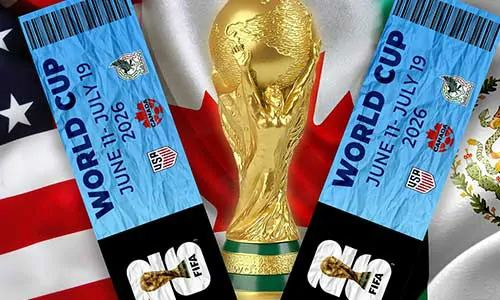
The beautiful game has never been bigger. The FIFA World Cup 2026, co-hosted by the United States, Canada, and Mexico, is officially underway, promising 104 matches of pure soccer magic. Millions of passionate fans worldwide are searching for a way into the stadiums to witness history. Unfortunately, this unprecedented global demand has created a perfect storm for cybercriminals. If you are trying to secure a seat, understanding the risks around FIFA World Cup 2026 Tickets: How to Avoid Resale Scams and Fake Listings is essential to protecting your money and ensuring entry.
With millions of applications submitted during the initial lottery phases, a staggering number of fans missed out on the initial draws. This massive supply-and-demand mismatch is a goldmine for online fraudsters. Consequently, law enforcement agencies like the FBI and consumer protection groups have issued urgent warnings regarding sophisticated scams targeting eager buyers. In this comprehensive guide, we will break down the mechanics of official ticket distribution, expose the most common tactics used by scammers, and provide you with actionable strategies to secure your spot safely.
Table of Contents
- 1. Understanding the FIFA World Cup 2026 Tickets Ecosystem
- 2. Why Scammers Target This Historic Event
- 3. Common Resale Scams and Phishing Tactics to Watch For
- 4. FIFA World Cup 2026 Tickets: How to Avoid Resale Scams and Fake Listings
- 5. Red Flags: How to Spot a Fake Listing Instantly
- 6. How the Official FIFA Resale/Exchange Marketplace Works
- 7. What to Do If You Fall Victim to a Ticketing Scam
- 8. Frequently Asked Questions (FAQ)
1. Understanding the FIFA World Cup 2026 Tickets Ecosystem
The ticketing process for securing FIFA World Cup 2026 tickets has undergone significant changes compared to previous tournaments. Most importantly, the event is entirely digital. Physical paper tickets or static PDF printouts are no longer used for stadium entry. This shift was designed to minimize counterfeiting, yet many secondary buyers remain unaware of these technical parameters.
To access the matches, fans must use the official FIFA ticketing application. Tickets feature dynamic, constantly updating QR codes that refresh every few seconds. This mechanism makes static screenshots completely useless at the gate. Therefore, any third-party listing offering a “PDF download” or a “printed ticket” is an immediate and absolute warning sign of fraud.
Furthermore, tickets are officially tied to the user’s registered identity. To enter the venue, your digital ticket must reside in the authorized app. While transfer options exist, they must be executed strictly through the official framework. Understanding these structural designs is the first step toward keeping your transactions secure.
2. Why Scammers Target This Historic Event
The sheer scale of the tournament means that demand for FIFA World Cup 2026 tickets is higher than any prior sporting event in North America. With the expansion to 48 teams and 104 matches, millions of fans are competing for limited seating. When massive populations face scarcity, desperation inevitably creeps in.
In addition, the geographic separation of matches across three massive nations creates unique challenges. Because games are spread across different jurisdictions, tracking coordinated cross-border fraud is exceptionally difficult for local law enforcement. A scammer might operate in one country, use a bank account in another, and target a victim traveling to a third country.
Consequently, online criminals are willing to invest heavily in building highly deceptive websites and marketing campaigns. They exploit the excitement of the event, targeting travelers who have already spent thousands on flights and hotels and are willing to take risks to secure the final piece of their trip: match tickets.
3. Common Resale Scams and Phishing Tactics to Watch For
Cybersecurity firms and federal agencies have outlined several patterns of illegal activity surrounding secondary ticketing markets. Recognizing these malicious vectors can protect both your financial resources and your personal identity.
Spoofed Websites (Typosquatting)
In a spoofing attack, threat actors register web domains that closely mimic the spelling of the official platform. For example, they might use minor variations like fiffa.com or alternative top-level domains such as .org or .net. These sites copy official branding, layouts, and logos to look completely authentic.
Unsuspecting users land on these pages via search engine ads or typo mistakes. Once there, they are prompted to enter their credit card information, full names, addresses, and sometimes even passport numbers. Ultimately, the buyers receive nothing but empty bank accounts and compromised identity profiles.
Social Media and Messaging App Deals
Social media platforms are highly active hubs for soccer ticketing scams. Fraudsters often create fake profiles on Facebook, Reddit, or X, claiming they have “spare tickets” they cannot use due to a family emergency. They often post in community forums or travel groups to establish trust.
Once you message them, they will push to move the conversation to encrypted messaging apps like WhatsApp or Telegram. They will demand payment through un-reversible methods, promise to transfer the ticket directly to your email, and block your account the second the funds clear.
AI-Powered Phishing Emails
With modern advancements in generative artificial intelligence, phishing emails look more professional than ever. Scammers construct flawless, urgent emails informing you that you “won” a secondary ticket lottery or that your previous order has a “pending issue” that needs immediate payment. These messages often bypass basic email filters, tricking readers into entering sensitive login credentials.
FIFA World Cup 2026 Tickets: How to Avoid Resale Scams and Fake Listings
When trying to figure out how to safely purchase FIFA World Cup 2026 tickets, your primary strategy must involve staying inside safe, official ecosystems. Navigating secondary markets requires a high degree of skepticism and technical awareness. By adhering to a strict set of rules, you can bypass the traps laid out by digital criminals.
Why Cybersecurity Experts Emphasize FIFA World Cup 2026 Tickets: How to Avoid Resale Scams and Fake Listings
Security organizations repeatedly point out that standard consumer protections do not apply when you purchase outside authorized networks. Credit card companies often cannot reverse transactions made via wire transfer, cryptocurrency, or peer-to-peer payment apps. Therefore, establishing proactive security barriers is your only robust defense.
To illustrate the difference between secure and unsecured purchasing pipelines, refer to the comparison table below:
| Feature / Channel | Official Portal (FIFA.com/tickets) | Unverified Reseller / Social Media |
|---|---|---|
| Ticket Authenticity | Guaranteed valid | High risk of counterfeit or non-existent tickets |
| Ticket Format | Dynamic, secure mobile QR code inside the app | Static PDFs, screenshots, or physical printouts |
| Payment Protection | Fully secure, official payment gateways | Unprotected (Zelle, wire transfer, gift cards, crypto) |
| Data Privacy | Regulated data compliance | Potential risk of identity theft (PII collection) |
Furthermore, staying safe means recognizing that there are only three official ways to secure legitimate entrance to the tournament:
- FIFA’s Main Portal: The core gateway is FIFA.com/tickets.
- Official Hospitality: Premium packages are handled exclusively by On Location and its officially appointed sales agents.
- Qatar Airways Travel Packages: Selected travel bundles containing tickets are sold via Qatar Airways.
5. Red Flags: How to Spot a Fake Listing Instantly
To successfully spot fraudulent listings, you must look closely at how the seller behaves and presents their offer. Scam operators rely on specific psychological triggers to bypass your logical caution. Knowing these red flags can save you thousands of dollars.
First, be on high alert for high-pressure vocabulary. Phrases like “I need to sell right now,” “huge interest from others,” or “last opportunity to buy” are intentionally deployed to induce panic. Scammers use artificial urgency to push you into making hasty, emotional decisions before you can think clearly.
Second, look closely at the payment requirements. Legitimate marketplaces utilize credit card processing with fraud-prevention frameworks. Conversely, if a seller insists on wire transfers, Zelle, Venmo, Western Union, cryptocurrency, or digital gift cards, walk away immediately. These methods are virtually untraceable and lack any form of buyer protection.
Third, verify the source of any links sent directly to you. Always examine the address bar of your browser. Slight misspellings, lack of security certificates (HTTPS), or unusual domain suffixes indicate a spoofed webpage designed to harvest your personal information.
6. How the Official FIFA Resale/Exchange Marketplace Works
If you missed out on the initial sales phases, you do not need to resort to shady classified sites or sketchy forums. The official FIFA Resale/Exchange Marketplace is the designated system designed to facilitate secure peer-to-peer ticket trades.
Actionable Tips on FIFA World Cup 2026 Tickets: How to Avoid Resale Scams and Fake Listings
By using the official marketplace, you are choosing a framework where the validity of each ticket is managed directly by the governing body. When a ticket is resold on this platform, the original ticket code is voided, and a completely new, secure digital ticket is generated and transferred into the buyer’s app. This completely eliminates the risk of a seller selling the same digital barcode to multiple buyers.
However, you should keep the following aspects in mind when utilizing the official marketplace:
- Pricing Caps: In certain regions, such as matches played in Mexico and Toronto, resale pricing is strictly capped at face value. In other regions, pricing varies, but remains highly regulated.
- Processing Fees: FIFA charges standard administrative fees to both buyers and sellers to process the secure transfer. This is a minor cost compared to the risk of losing your entire investment to a scammer.
- Timing: The resale portal operates continuously and remains open until exactly one hour after a match kicks off. Because legitimate inventory appears and disappears rapidly, it is wise to log in frequently and save your payment details in advance.
7. What to Do If You Fall Victim to a Ticketing Scam
If you discover that you have fallen victim to a fake listing or a fraudulent ticket portal, taking prompt action is incredibly important. While recovering your funds can be difficult, immediate steps can contain the damage and protect other fans from falling into the same trap.
First, contact your financial institution immediately. If you paid using a credit card, initiate a chargeback for fraud. Let them know that you were directed to a spoofed website. If you provided sensitive data like banking login credentials, freeze your accounts instantly.
Second, report the incident to consumer protection portals and law enforcement. If you are in the United States, file an official report with the FBI’s Internet Crime Complaint Center (IC3). In Canada, you should report the event to the Canadian Anti-Fraud Centre. Provide them with screenshots of your communication, the web address of the scammer, and transaction details.
8. Frequently Asked Questions (FAQ)
How can I purchase official FIFA World Cup 2026 tickets safely?
The only official way to purchase standard tickets is through the official ticketing portal at FIFA.com/tickets. For premium corporate setups, utilize On Location, the designated hospitality partner.
Are paper or PDF versions of FIFA World Cup 2026 tickets valid?
No, physical paper tickets and static PDF documents are completely invalid for the 2026 tournament. All tickets are digital and require the official app, which employs rotating security QR codes to prevent copying.
Can I use third-party ticket resale platforms to buy FIFA World Cup 2026 tickets?
We highly advise against it. Because stadium entries are validated through the official digital app, third-party transfers lack verification. The only approved resale channel is the FIFA Resale/Exchange Marketplace.
What payment methods are safest when buying tickets?
Always pay using a secure credit card through the official platform. Credit cards offer built-in consumer liability protections, unlike bank wires, Zelle, Venmo, or cryptocurrencies, which are highly favored by online scammers.
Is there a price cap on reselling tickets?
Yes, for matches scheduled in Mexico and at Toronto Stadium, listings on the official marketplace are legally capped at the face-value cost or lower. Matches in the US and rest of Canada feature flexible marketplace pricing but remain fully secure.
How do I know if a ticket-selling website is a spoof?
Look closely at the spelling of the URL. Scammers often utilize spelling tricks (typosquatting) like “fiffa.com”. Additionally, look for lack of contact policies, missing SSL secure lock icons, or unprofessional design quirks.
9. Secure Your Experience the Right Way
Securing your FIFA World Cup 2026 tickets should be an exciting and memorable milestone, not a stressful financial ordeal. The enthusiasm of the global tournament is unparalleled, but allowing impatience to guide your buying habits is exactly what cybercriminals count on.
By remaining patient, carefully identifying structural red flags, and conducting your ticket transactions exclusively via FIFA’s official ticketing portals, you ensure that your investment is fully secure. Protect your hard-earned funds, safeguard your personal data, and ensure that when match day arrives, your digital pass opens the gates to an unforgettable sporting experience.