Easiest FIFA World Cup 2026 Host Cities to Travel Between
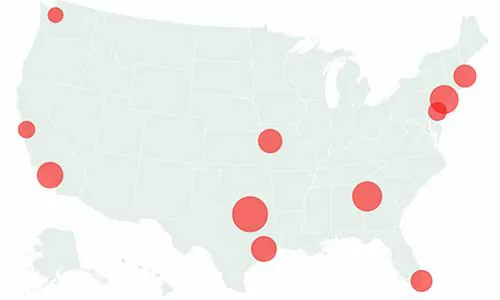
The upcoming tournament is set to be the grandest spectacle in soccer history. With 48 teams competing across 16 host cities in three vast nations—the United States, Canada, and Mexico—fans face an unprecedented logistical puzzle. Consequently, identifying the Easiest FIFA World Cup 2026 Host Cities to Travel Between is essential for anyone looking to experience multiple live matches without exhausting their energy or budget. While some host city combinations require cross-continental flights, others are situated so close together that a simple train ride or a short drive is all it takes.
Fortunately, the geographical distribution of venues features natural clusters. By focusing on these regional groupings, you can maximize your match-day experiences while minimizing transit stress. This comprehensive guide breaks down the most accessible transit corridors, compares transit modes, and outlines strategic itineraries to keep your travel seamless during this historic sports event.
Table of Contents
- 1. The Northeast Corridor: The Premier Travel Triangle
- 2. The Pacific Northwest Cluster: Seattle to Vancouver
- 3. The Texas Double-Header: Dallas and Houston
- 4. Comparison Table: Distances, Times, and Costs
- 5. How FIFA’s Regional Clustering Affects Fans
- 6. Pro-Tips for World Cup Intercity Commutes
- 7. Frequently Asked Questions (FAQ)
The Northeast Corridor: The Premier Travel Triangle
If you are looking for the absolute Easiest FIFA World Cup 2026 Host Cities to Travel Between, the U.S. Northeast Corridor stands out far ahead of the competition. This densely populated region contains three major host cities: New York/New Jersey (MetLife Stadium), Philadelphia (Lincoln Financial Field), and Boston (Gillette Stadium). These locations are geographically close and connected by an exceptional, highly reliable high-speed rail network.
Therefore, fans can entirely bypass the headaches of airport security and highway traffic by utilizing the train. Amtrak is the backbone of this corridor, offering frequent daily services that drop you directly into downtown transit hubs. Consequently, this eliminates the need for expensive rental cars or parking passes at the venues, making it an incredibly popular choice for budget-conscious and eco-friendly travelers alike.
The New York to Philadelphia Connection
The trip between New York City and Philadelphia is the shortest and most efficient route of the entire tournament. Separated by only 95 miles, you can board an Amtrak Northeast Regional train at New York Penn Station and arrive at Philadelphia’s William H. Gray III 30th Street Station in roughly 1 hour and 15 minutes. Alternatively, taking the premium Acela service reduces that time even further.
Moreover, local commuter rail options, such as NJ Transit and SEPTA, connect via Trenton, New Jersey. While this method takes slightly longer, it is incredibly cost-effective. For fans planning to stay in one city and commute on match days, this pair ranks as the gold standard for the Easiest FIFA World Cup 2026 Host Cities to Travel Between.
Extending the Route to Boston
Heading north from New York City brings you to Boston, another major hub hosting several matches at Gillette Stadium. The distance from New York to Boston is approximately 215 miles. Traveling via Amtrak’s Acela takes around 3.5 to 4 hours, winding through scenic coastal towns in Connecticut and Rhode Island before arriving at Boston South Station.
However, it is important to note that Gillette Stadium is located in Foxborough, which is about 30 miles southwest of downtown Boston. Fortunately, transit authorities plan to run special event trains from both Boston South Station and Providence, Rhode Island directly to the stadium on match days. This makes adding Boston to your Northeast travel loop highly practical.
The Pacific Northwest Cluster: Seattle to Vancouver
Another highly attractive route for international and domestic fans lies in the lush Pacific Northwest. Seattle (Lumen Field) and Vancouver (BC Place) represent an incredible border-spanning duo. These are definitely among the Easiest FIFA World Cup 2026 Host Cities to Travel Between if you appreciate breathtaking scenery, mild summer weather, and highly walkable urban centers.
Separated by approximately 140 miles, the transition from the United States into Canada is straightforward, provided you have your documentation in order. Because both cities are deeply committed to public transit and regional rail, you have several reliable ways to navigate this beautiful corridor.
Riding the Amtrak Cascades
The most relaxing way to travel between Seattle and Vancouver is by taking the Amtrak Cascades train. This route runs along the Puget Sound and through picturesque evergreen forests, offering a stunning travel experience. The journey takes roughly 4 to 4.5 hours, arriving at Pacific Central Station in Vancouver.
In addition, customs clearance is integrated directly into the train stations. When traveling north, you will clear Canadian customs upon arrival in Vancouver. When heading south, U.S. Customs and Border Protection operates a pre-clearance facility right inside Vancouver’s station. This makes rail travel significantly smoother than driving across the border during peak tournament weeks.
Driving the Interstate 5 Corridor
For those who prefer the flexibility of having their own vehicle, driving north on Interstate 5 (I-5) is a direct, straightforward route. Under normal conditions, the drive takes about 2.5 to 3 hours. On the other hand, border crossing wait times at the Peace Arch or Pacific Highway entry ports can fluctuate wildly, especially on match days.
To ensure a smooth journey, check real-time border wait times online before leaving and consider traveling during off-peak hours. Furthermore, ride-sharing apps, regional shuttle buses, and quick commuter flights between Seattle-Tacoma International Airport (SEA) and Vancouver International Airport (YVR) provide reliable backup plans.
The Texas Double-Header: Dallas and Houston
Texas is famous for doing things on a massive scale, and its World Cup hosting duties are no exception. Dallas (AT&T Stadium) and Houston (NRG Stadium) are set to host a significant number of matches. Despite the state’s sprawling reputation, these two metropolitan areas are relatively close, making them some of the Easiest FIFA World Cup 2026 Host Cities to Travel Between in the southern United States.
The distance between Dallas and Houston is about 240 miles. While there is no high-speed passenger rail currently operating between them, the highway infrastructure and air transit corridors are incredibly robust, meaning you can easily catch matches in both cities within the same week.
Flying vs. Driving the Interstate 45 Corridor
For most travelers, driving via Interstate 45 (I-45) is the most straightforward option. The drive is a direct line south or north and takes roughly 3.5 to 4 hours. Because the route is a simple highway drive, renting a car is a very popular choice for groups of fans traveling together.
However, if you want to save time, commercial aviation is incredibly efficient here. Flights between Dallas (DFW or DAL) and Houston (IAH or HOU) take a mere 50 to 60 minutes. Because major carriers operate dozens of shuttle flights daily along this route, finding a convenient time is simple. Therefore, combining air travel with rideshares at the airports is a great way to skip the highway drive.
Comparison Table: Distances, Times, and Costs
To help you choose the best route for your adventure, here is a breakdown of the Easiest FIFA World Cup 2026 Host Cities to Travel Between. This table details distances, estimated transit times, and the primary transit modes available.
| City Pair | Distance (Miles) | Primary Transit Mode | Average Travel Time | Ease Rating |
|---|---|---|---|---|
| New York / NJ to Philadelphia | 95 Miles | Train (Amtrak / Commuter Rail) | 1h 15m – 1h 45m | Exceptional (5/5) |
| Seattle to Vancouver | 140 Miles | Train (Amtrak Cascades) / Car | 3h 00m – 4h 30m | Very High (4.5/5) |
| New York / NJ to Boston | 215 Miles | Train (Amtrak Acela / Regional) | 3h 30m – 4h 15m | High (4/5) |
| Dallas to Houston | 240 Miles | Car (I-45) / Plane (Short Flight) | 1h 00m (Flight) / 3.5h (Drive) | Moderate (3.5/5) |
As illustrated above, the Northeast Corridor is unmatched in transit convenience. However, the Pacific Northwest and Texas corridors also offer highly viable alternatives for fans wanting to see multiple regions without spending full days in transit.
How FIFA’s Regional Clustering Affects Fans
Recognizing the sheer scale of North America, FIFA introduced a regionalized match schedule to prevent extreme travel times for teams and fans. By dividing the 16 venues into East, Central, and West regions, the tournament naturally guides travelers toward the Easiest FIFA World Cup 2026 Host Cities to Travel Between. This smart scheduling structure minimizes long-haul, cross-country flights during the group stages.
For example, a team assigned to the West region will play their group-stage matches in cities like Vancouver, Seattle, San Francisco, and Los Angeles. Similarly, East region games are grouped between Toronto, Boston, New York, Philadelphia, and Miami. Therefore, if you align your ticket requests with a single region, you will naturally stay within a highly manageable geographical zone, saving you time, energy, and money.
Strategic Itinerary Design: East vs. West
When drafting your World Cup road trip, choosing an “East Coast Loop” or a “West Coast Loop” is highly recommended. The East Coast Loop is the absolute simplest route. It allows you to base yourself in a central city like Philadelphia or New York, traveling to nearby stadiums via Amtrak’s extensive network.
On the other hand, the West Coast Loop offers a breathtaking coastal journey. You can start in Vancouver, travel down to Seattle, and potentially continue south to San Francisco and Los Angeles. While the distances in the West are larger, the stunning landscapes and well-connected airports make it an unforgettable travel route.
Pro-Tips for World Cup Intercity Commutes
To ensure a flawless experience while navigating the Easiest FIFA World Cup 2026 Host Cities to Travel Between, keep these expert travel strategies in mind:
- Book Train and Flight Tickets Early: Millions of international visitors will overwhelm North American transit networks. You should reserve your Amtrak tickets or domestic flights the moment your match tickets are confirmed.
- Leverage Public Commuter Transit: Avoid driving directly to the stadiums if possible. Utilize local trains and shuttles, such as the Long Island Rail Road (LIRR) and NJ Transit for MetLife Stadium, or the SEPTA Broad Street Line for Lincoln Financial Field.
- Prepare for Border Crossings: When traveling between Seattle and Vancouver (or Monterrey and Texas), ensure you have all your cross-border documentation ready. Check visa and electronic travel authorization requirements (like ESTA for the US and eTA for Canada) well in advance.
- Pack Light: Many regional trains and budget airlines have strict baggage policies. Traveling with a single carry-on bag makes moving between cities infinitely easier and saves you from paying excessive baggage fees.
Furthermore, staying updated via official transit websites like the Amtrak Official Website and the Official FIFA Website will provide real-time updates regarding match-day schedules, shuttle routes, and stadium security guidelines.
Frequently Asked Questions (FAQ)
What is the absolute easiest way to travel between World Cup 2026 host cities?
The absolute easiest transit route is the Northeast Corridor rail line connecting New York, Philadelphia, and Boston. By utilizing Amtrak services, you can travel directly from city center to city center, bypassing highway traffic and airport security entirely.
Are there direct trains between Seattle and Vancouver?
Yes, the Amtrak Cascades passenger train offers daily direct service between Seattle, Washington, and Vancouver, British Columbia. The journey takes roughly 4 to 4.5 hours and features beautiful scenic views of the Pacific Northwest coastline.
Do I need a visa to travel between U.S. and Canadian host cities?
Visa requirements depend on your nationality. Most international travelers will need an ESTA for the United States and an eTA for Canada. Ensure you check the official immigration portals of both countries before booking your cross-border journey.
How far apart are Dallas and Houston?
Dallas and Houston are roughly 240 miles apart. Driving between these two Texas hubs takes about 3.5 to 4 hours via Interstate 45, while a direct flight takes approximately one hour.
How does FIFA’s regional clustering help fans with travel?
FIFA’s regional clustering groups group-stage matches into three zones: West, Central, and East. This prevents teams and fans from having to make exhausting cross-continental trips between consecutive games, allowing you to focus your travel within a single, highly accessible region.
Are there special trains to the stadiums on match days?
Yes, local transit agencies in major cities like Boston, New York, and Seattle plan to operate dedicated express shuttle trains and buses directly to and from the stadiums on match days to ease congestion.
Conclusion: Craft Your Ultimate World Cup Journey
The FIFA World Cup 2026 is set to be an unforgettable adventure across North America. By understanding and utilizing the Easiest FIFA World Cup 2026 Host Cities to Travel Between, you can design an itinerary that is smooth, cost-effective, and incredibly fun. Whether you choose the high-speed rail lines of the Northeast Corridor, the scenic coastal routes of the Pacific Northwest, or the sprawling highways of Texas, planning your transit early is the key to a stress-free tournament.
Now is the time to finalize your travel plans! Secure your match tickets, map out your regional travel corridors, and book your train and flight tickets today. Don’t wait until the last minute—start planning your dream World Cup journey now to ensure you are there to witness every historic goal live!